If you’re planning your first professional portrait session or looking to improve your model photography workflow, you’ve come to the right place. Whether you’re a portrait photographer in Lisbon or anywhere else, the key to a successful photo shoot starts well before you pick up your camera. Let me walk you through everything I’ve learned about organising shoots that deliver stunning results every time.
Where to Find Models for Your Portrait Sessions
Networking Events: The Fast Track to Connections
Photography meetups and networking events are where I got my start, and they’re still one of my favorite ways to meet new models. These events are specifically set up for photographers and models to connect, and everyone knows the deal going in—you both walk away with portfolio content.
The beauty of these meetups is the energy. You’ll meet lots of people quickly, there’s zero awkwardness about what everyone’s there for, and you can connect with other portrait photographers working in your area. If you’re based in Lisbon, check out local photography groups or creative meetups around the city.
But here’s the reality: you’re usually working with time limits, which can make sessions feel rushed. You might also find yourself shooting in the same locations with similar setups as everyone else, which means less creative control. The photos can end up looking a bit samey. Still, for building your initial portrait photography portfolio, these events are gold.
Social Media Outreach: When You Want Full Creative Control
Once you’re ready to level up, reaching out to models directly through Instagram or other platforms opens up a whole new world. You can browse their previous work, get a feel for their style, and start planning something truly unique together.
You can collaborate on specific concepts, create detailed mood boards, and plan everything from outfit choices to lighting setups. Whether you’re shooting street portraits around Lisbon’s beautiful neighbourhoods or working in your studio, you have complete creative freedom.
Now, here’s how the business side works. For newer models building their portfolios, you’ll often do TFP (time for prints) collaborations where everyone benefits from the content. But if you’re approaching established models with strong portfolios, expect to pay a booking fee. And honestly? That’s often worth it. These professionals know how to work the camera, they bring multiple outfits, and they understand posing—which saves you time and delivers better results.
Planning Your Portrait Session
Good portrait photography starts with good communication. Once you’ve connected with a model, start the conversation early. Talk through your creative vision, discuss outfit ideas, plan the makeup look, and figure out your location or studio setup.
This planning phase isn’t just about the creative stuff—it helps you figure out exactly what equipment you’ll need and gives your model clear direction on how to prepare.
Keep Your Gear Simple
Here’s something I wish someone had told me earlier: more equipment doesn’t equal better photos. In fact, too much gear creates decision fatigue and slows you down during the shoot.
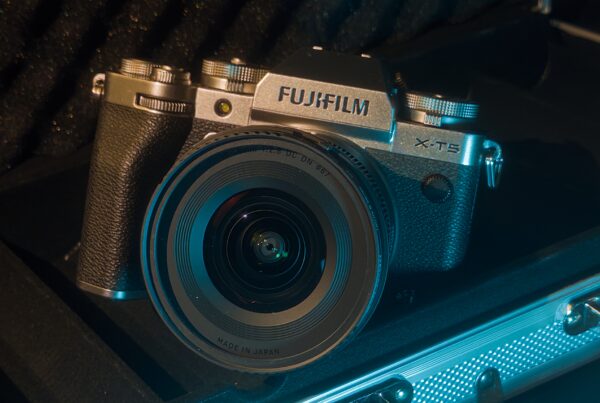
I stick to one or two cameras and maybe two lenses max. This keeps me focused and prevents the constant lens-swapping that kills your creative flow. If you’re shooting portraits in a studio setting, think through your lighting approach early. Will you use strobes, continuous lights, natural window light, or a mix? Make these decisions before your model arrives.
Build Your Shot List
You don’t need a 50-page production bible, but you should have a plan. I like creating a simple shot list—just the key looks and ideas I want to capture. Sometimes I’ll put together a quick mood board to share with the model.
Why bother? Because photo shoots take real coordination. Your model might be traveling across Lisbon to reach your studio, and organizing schedules can take weeks or even months. Having a clear plan respects everyone’s time and ensures you actually get the shots you envisioned.
Top Tip: Try out set.a.light 3D (not affiliated), a 3D light modelling software that can help you try out some light, background and even model pose combinations before your shoot day. You can visualise what certain light types will look like when paired with modifiers, and even camera and lens models. A useful tool, if you don’t have gear on hand and want to pre-visualise the scene before renting/buying new gear.
Shoot Day: Creating Great Portraits
Make Your Model Feel Welcome
The moment your model walks in, your job is to make them comfortable. Offer them water or coffee, chat for a bit, and show them where they can change or touch up their makeup. A relaxed model gives you natural, authentic portraits—it’s that simple.
Directing with Care
When you’re directing poses, always check in. Some poses might feel too revealing, others might actually hurt. Portrait photography is physical work, especially during longer sessions. Those dramatic poses you see on Instagram? They can be genuinely uncomfortable to hold.
I take short breaks every 5-10 minutes during extended shoots. Your model needs time to rest, adjust their outfit, and reset. When people are comfortable and enjoying themselves, you can see it in their expression—and that’s what makes a portrait truly compelling.
Technical Setup for Portrait Sessions
Studio Photography Tips
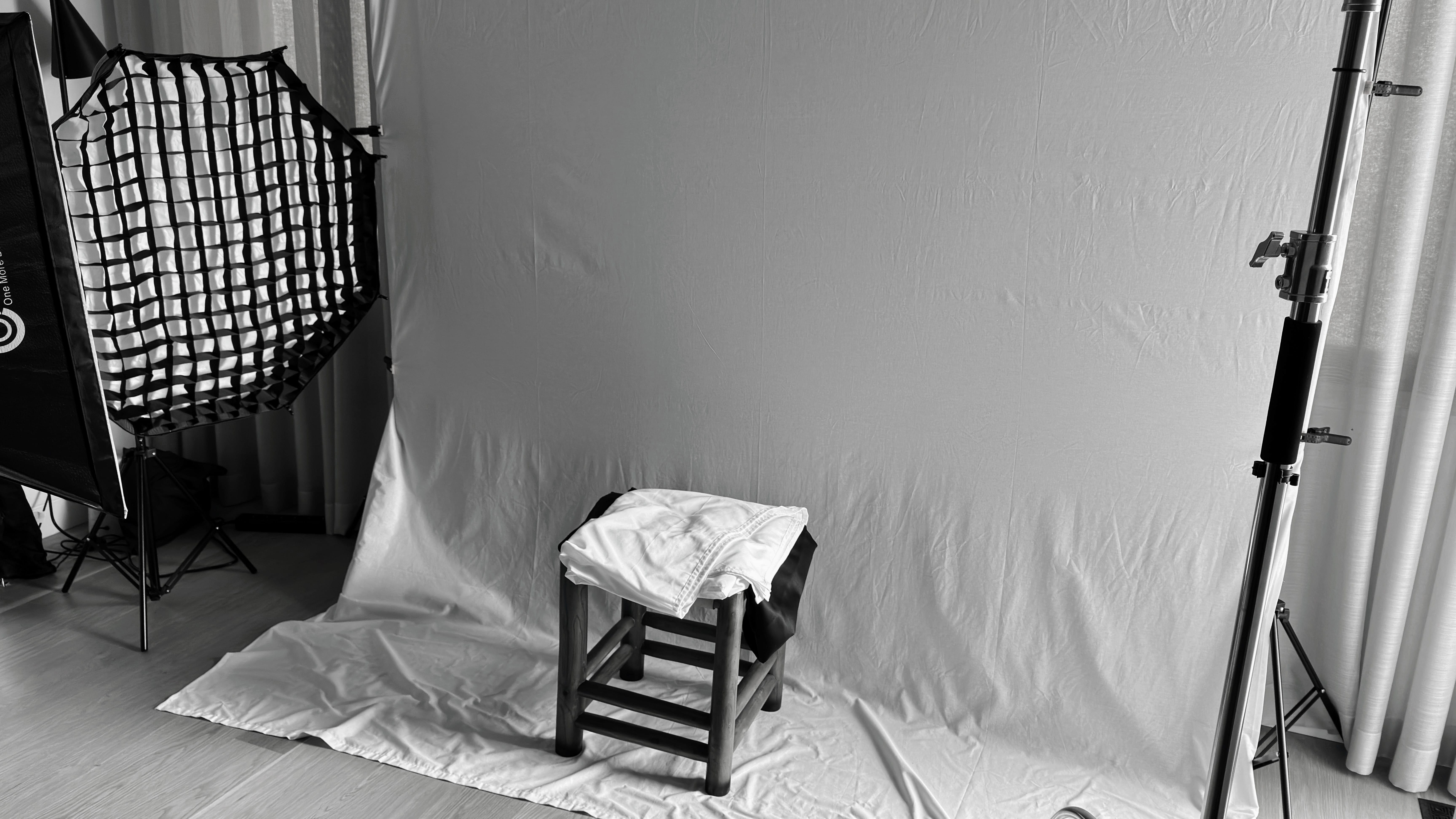
If you’re shooting portraits in a studio environment, controlling your light is crucial. I use blackout curtains when I need to eliminate ambient light completely. Always test your lighting setup before your model arrives—there’s nothing worse than troubleshooting technical issues while someone’s waiting.
Your Essential Checklist
Before every portrait session, I run through this quick checklist:
- All batteries charged (cameras, flashes, lights)
- Memory cards cleared and ready
- Equipment organized and within easy reach
- Backup batteries packed
- Props gathered and arranged
Props That Elevate Portraits
Props can transform a good portrait into something memorable. I keep flowers, candles, prisms, mirrors, and even tarot cards on hand. For more conceptual work, consider fruits, vintage items, or interesting fabrics. Just make sure they fit your vision—props should enhance, not distract.
Starting the Session
I always begin with simple warm-up shots. Nothing complicated, no pressure—just getting comfortable working together. Think of it like a conversation that starts with small talk before diving into deeper topics.
Once we’re both relaxed, I reference my shot list and we get into the planned concepts.
Keep Communicating
Throughout the shoot, I’m constantly giving feedback. “That’s perfect,” “Turn your chin slightly left,” “Relax your shoulders”—this ongoing direction helps your model understand what’s working. It’s your job as the portrait photographer to see what works and guide them toward it.
Change Your Perspective
Don’t just plant your camera on a tripod and shoot from one angle all day. Move around. Shoot from above, get low, circle your subject. Varying perspectives creates dynamic, engaging portraits that stand out.
Capture Behind-the-Scenes Content
Here’s a marketing tip that’s helped my portrait photography business: record behind-the-scenes footage on your phone or a second camera. This content is perfect for Instagram and your website, showing potential clients what working with you looks like. It doesn’t need to be fancy—authenticity matters more than polish.
After the Portrait Session
Wrap Up Professionally
Thank your model sincerely. If they went above and beyond, consider offering a tip. Keep the conversation going afterward—their feedback can be valuable, and maintaining good relationships leads to future collaborations.
Don’t Rush the Edit
This might sound counterintuitive, but don’t start editing immediately. Take a day or two to step back from the shoot. I’ve found that this breathing room often sparks new creative ideas that actually improve on my original concept.
Remember, the images you captured are raw material. The real artistry in portrait photography happens during the editing process. Give yourself mental space to approach that work with fresh eyes and clear perspective.
Delivering Your Work
I only send finished JPEGs to models, never raw files. You’re the artist here, and it’s your responsibility to deliver the best possible work. That said, be open to feedback on the final images—just maintain creative control over the editing process.
Keep your model updated on your timeline. Let them know when to expect the finished portraits. Clear communication prevents frustration and keeps everything professional.
Building Your Portrait Photography Business
Whether you’re just starting out with portrait photography in Lisbon or you’re years into your career, every shoot is an opportunity to build relationships. The photographers who succeed aren’t just technically skilled—they’re great communicators who make their models feel valued.
Strong communication before, during, and after each session builds trust. That trust leads to repeat clients, referrals, and a portfolio you’re genuinely proud to share. These relationships are what transform portrait photography from a hobby into a sustainable career.
Approach each session with preparation, professionalism, and genuine respect for your model’s time and creativity. Do that consistently, and you’ll not only create better portraits—you’ll build a thriving photography practice that brings you joy and pays the bills.
Now get out there and create something beautiful.